
Find Lafayette County Obituary
Lafayette County obituary records are held at the courthouse in Lexington and through Missouri state archives. The county has birth indexes dating to 1865 and marriage records that go back even further. Researchers can search for death records, newspaper obituaries, and cemetery listings through several county and state sources. This page covers the offices, databases, and tools available for Lafayette County obituary research in Missouri.
Lafayette County Quick Facts
Lafayette County Courthouse
The Lafayette County Courthouse is in Lexington, Missouri. The Recorder of Deeds maintains land records and marriage records for the county. The Circuit Clerk holds court records and probate files. These courthouse records are important for obituary research because probate files often name heirs, list family relationships, and include dates of death that can confirm or expand on what you find in a Lafayette County obituary.
Lexington is a small city with a lot of history. The courthouse records are in good shape, and the staff can help direct you to the right office. If you are visiting in person, plan to check both the Recorder and Circuit Clerk offices, since different types of records that support obituary research are split between them.
Lafayette County Obituary Resources
The Lafayette County Historical Society is at 101 West Phillips, Lexington, MO 64067. They maintain local historical records and can assist with genealogy research. The Harvey J. Higgins Historical Society in Higginsville is another local resource. You can reach them at 2113 S. Main Street, Higginsville, MO 64037, or call 660-584-6474. They have a Facebook page with updates on their collections and events.
Lafayette County has a notable set of online obituary records. Lafayette County, Missouri Obituaries from 1891 to 1920 are available through Ancestry. This indexed collection covers nearly 30 years of death notices from local newspapers. For Lafayette County obituary research during that period, it is one of the most complete sources you will find.
The Lexington Public Library and the Higginsville Public Library both have local history collections. Between these two libraries and the historical societies, you have four places in Lafayette County where you can dig into obituary records and family history.
FamilySearch also has Lafayette County records online. Their collection includes a Lafayette County Birth Index for 1865 to 1869 and Marriage Books F through H Index from 1868 to 1885. While these are not obituary records, they help confirm family relationships when you are piecing together a family tree alongside Lafayette County obituary notices. The Missouri Digital Newspaper Project provides access to digitized newspapers that covered Lafayette County communities during the 19th and 20th centuries.
State Archives for Lafayette County
The Missouri Digital Heritage site has Lafayette County birth index records from 1865 to 1869 and marriage book indexes from 1868 to 1885 through FamilySearch. Pre-1910 birth and death records are also in the database. These are free to search and cover the early registration period in Lafayette County.
The Missouri State Archives death certificate database covers Lafayette County deaths from 1910 through about 1974. Under RSMo 193.225, records over 50 years old transfer to the Archives, and copies cost $1 each. The Missouri Death Index covers 1954 to 2024 with over 3.8 million statewide records. Both of these tools are free to search online.
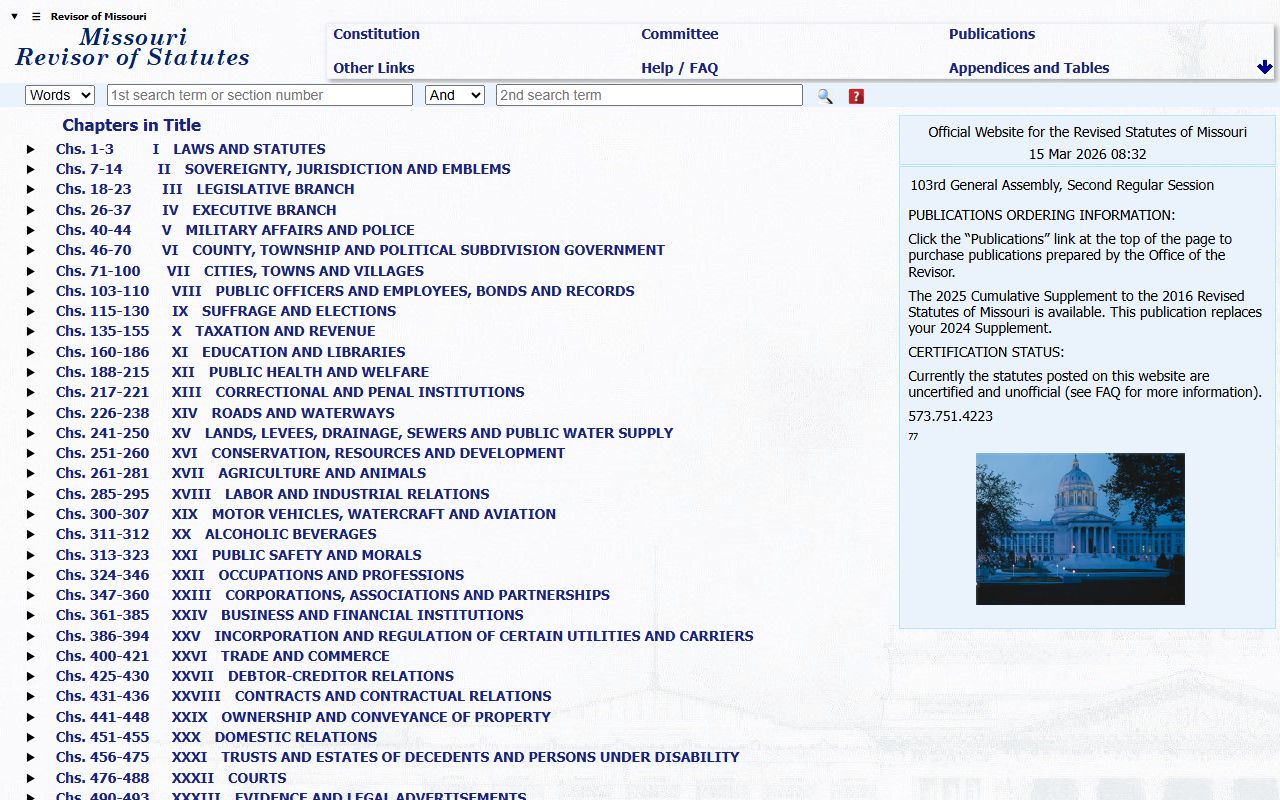
Missouri statutes at revisor.mo.gov govern access to vital records and define who can get copies of death certificates for Lafayette County and all other Missouri counties.
Newspaper Obituary Sources
Newspaper obituaries are often the most detailed account of a person's life. For Lafayette County, the Missouri Digital Newspaper Project has digitized papers from the region. Newspaperarchive.com holds Sedalia newspapers that covered Lafayette County communities. The State Historical Society of Missouri newspaper archive also includes papers from the area.
If you cannot find a Lafayette County obituary in online databases, check the local library microfilm collections. Many small-town papers from the 1800s and early 1900s were never digitized. The Lexington and Higginsville libraries may have papers on microfilm that cover the exact dates you need.
Lafayette County Death Certificates
The Lafayette County Health Department handles vital records requests. State-level death records from 1910 are available through the Missouri Department of Health. Under RSMo 193.255, you need direct and tangible interest to get a certified death certificate. Death certificates over 50 years old are open to the public. The Missouri State Library genealogy guide links to free databases for cemetery and death record searches that complement Lafayette County obituary research.
Public Access to Records
Under the Missouri Sunshine Law (RSMo Chapter 610), public records are open for inspection. Recent death certificates have eligibility restrictions. But the Ancestry obituary collection for 1891 to 1920, the State Archives databases, and newspaper collections are all open to anyone. Historical records more than 50 years old carry fewer restrictions under Missouri law.
The Sunshine Law is found in RSMo Chapter 610. It says that government bodies must make records available unless a specific law closes them. For Lafayette County obituary research, this means you can walk into the courthouse and ask to see older record books. The clerk can charge a fee for copies but cannot deny you access to public records. Death certificates under 50 years old are the main exception. Those need proof that you are family or have a legal right to see them. Everything else is fair game.
Cities in Lafayette County
Lexington is the county seat of Lafayette County. Higginsville is the other main community in the county. All obituary records and vital records for Lafayette County residents are filed through county offices in Lexington.
Nearby Counties
Lafayette County is in west-central Missouri along the Missouri River. Check neighboring counties if the person may have lived across a county line.